
My Journey in Communication Management at Tallinn University
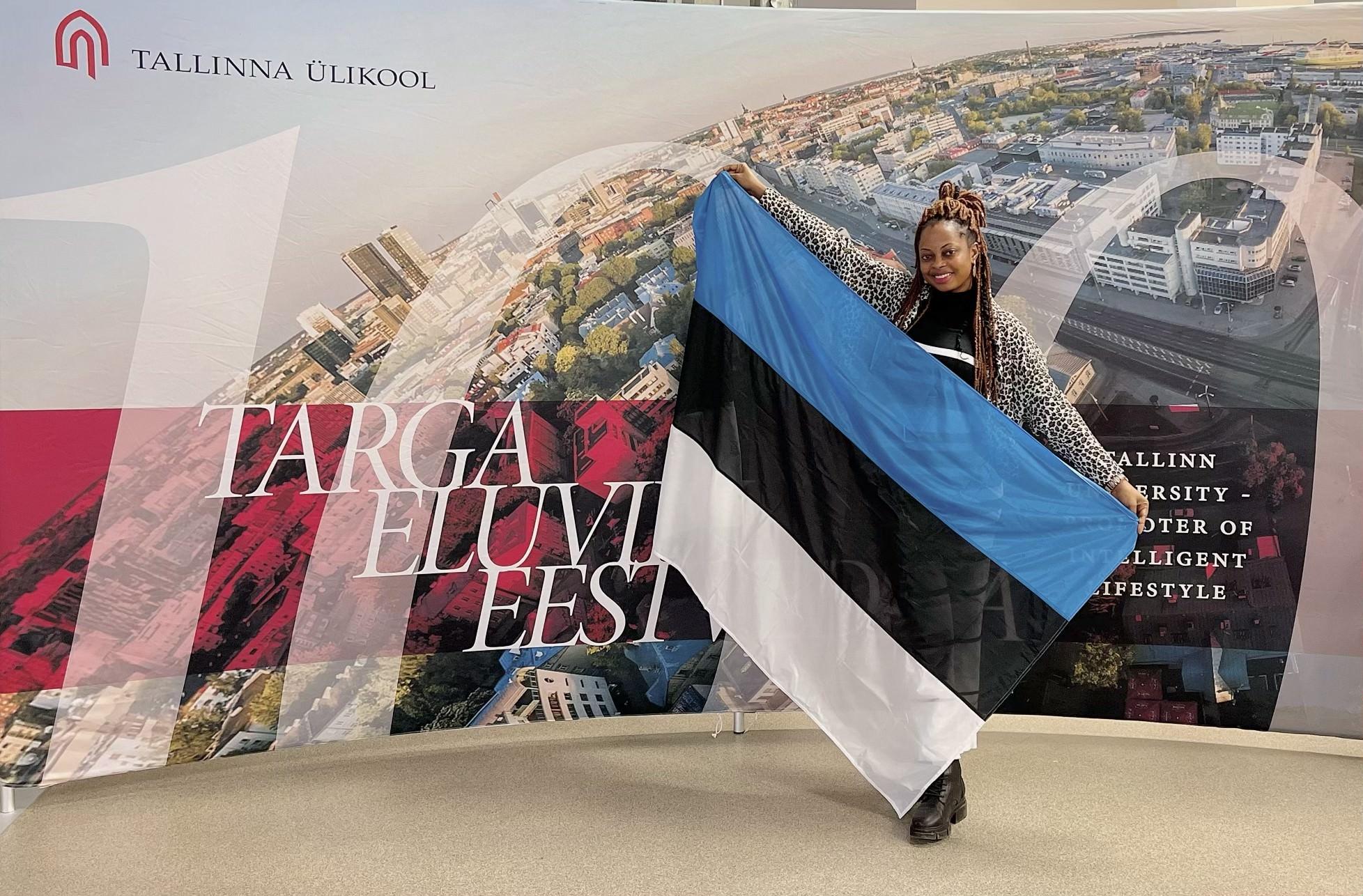
Choosing to study Communication Management at Tallinn University became one of the most meaningful academic decisions in my life. I am originally from Cameroon, and having lived in Estonia for the past seven years, I have experienced firsthand the opportunities and challenges of communication in a multicultural society. Living in a different cultural environment sparked my interest in intercultural communication and made me curious about how people from different backgrounds negotiate identity, manage misunderstandings, and build relationships across cultures.
This personal and academic interest eventually inspired my master’s thesis, which focused on face concerns and conflict management styles in Estonia’s multicultural context. Using Face Negotiation Theory, I explored how individuals from different cultural backgrounds manage conflict and how concerns about self-image, harmony, and relationships influence communication behaviour. Conducting this research allowed me to better understand the complexity of intercultural interactions and the importance of cultural sensitivity in everyday communication.
One of the most valuable aspects of the programme was the opportunity to connect theory with real social situations. The courses encouraged critical thinking, reflection, and open discussion about communication in diverse environments. I particularly appreciated learning how communication is influenced not only by language, but also by identity, culture, relationships, and social context. These insights continue to influence how I approach both professional and personal interactions today.
Beyond academic knowledge, the programme helped me develop important research, analytical, and writing skills. Writing and defending my thesis was both challenging and rewarding. It taught me persistence, independence, and confidence in conducting academic research. Looking back, I can see how much I grew during this journey, not only as a student but also as a person.
I would especially like to express my sincere gratitude to Professor Anastassia Zabrodskaja for her continuous support, guidance, and encouragement throughout my studies and thesis process. Her constructive feedback, patience, and academic insight helped me strengthen my research and develop greater confidence in my academic abilities. I truly appreciated the supportive learning environment she created throughout the programme.
My advice to current and future Communication Management MA students would be to stay curious, open-minded, and consistent in their work. The programme requires dedication, but it also offers valuable opportunities for personal growth and deeper understanding of communication in today’s diverse world. Engaging actively in discussions, asking questions, and connecting theory to real-life experiences can make the learning process even more meaningful.
I am grateful for the experiences, knowledge, and friendships gained during my time at Tallinn University, and I look forward to applying these lessons in my future professional and academic journey.