
Beyond Openness: Reassessing What It Means to Be Intercultural
Estonia is the first country I had ever been to outside of Vietnam, and I was confident that I was “global” enough as a person to adapt to life in anyplace. Having worked in multicultural environments before, I genuinely believed I was open-minded, respectful, and accepting of cultural differences. In my mind, I already embodied what it meant to be “intercultural.” But soon, I realized that my understanding was far more limited than I thought.
Coming from tropical Vietnam, I was prepared for the cultural and environmental contrast with the cold weather, quiet streets, and reserved people that I had been warned about. Yet my early days in Tallinn proved different. The cashier who kindly helped me with the self-checkout machine, or the project supervisor who went out of her way to support me, made me feel welcomed and safe. These experiences reassured me that I could fit in well. I even took an Estonian language class, visited museums, and talked about the country’s customs with locals and international friends. I believed I was demonstrating "intercultural competence" in every way.
However, over time, I began to notice my version of “intercultural competence” seemed to work best within the Western world, the one I had seen on TV, studied in school, and interacted with through my work. I was comfortable navigating European cultural nuances, knowing how to show respect and adapt to Western expectations. Yet, when someone came from outside that framework, my understanding fell short.
The turning point came when I had a new flatmate from Kenya, Africa. I was excited to get to know him, but I quickly noticed how little I actually understood about his country, and how many assumptions I carried without even realizing it. Growing up, the media I consumed often portrayed Africa through a narrow lens of poverty, famine, and conflict. Without question, I had internalized those images. I thought I was being “open” by simply not judging, but in reality, I had unconsciously absorbed a biased narrative.
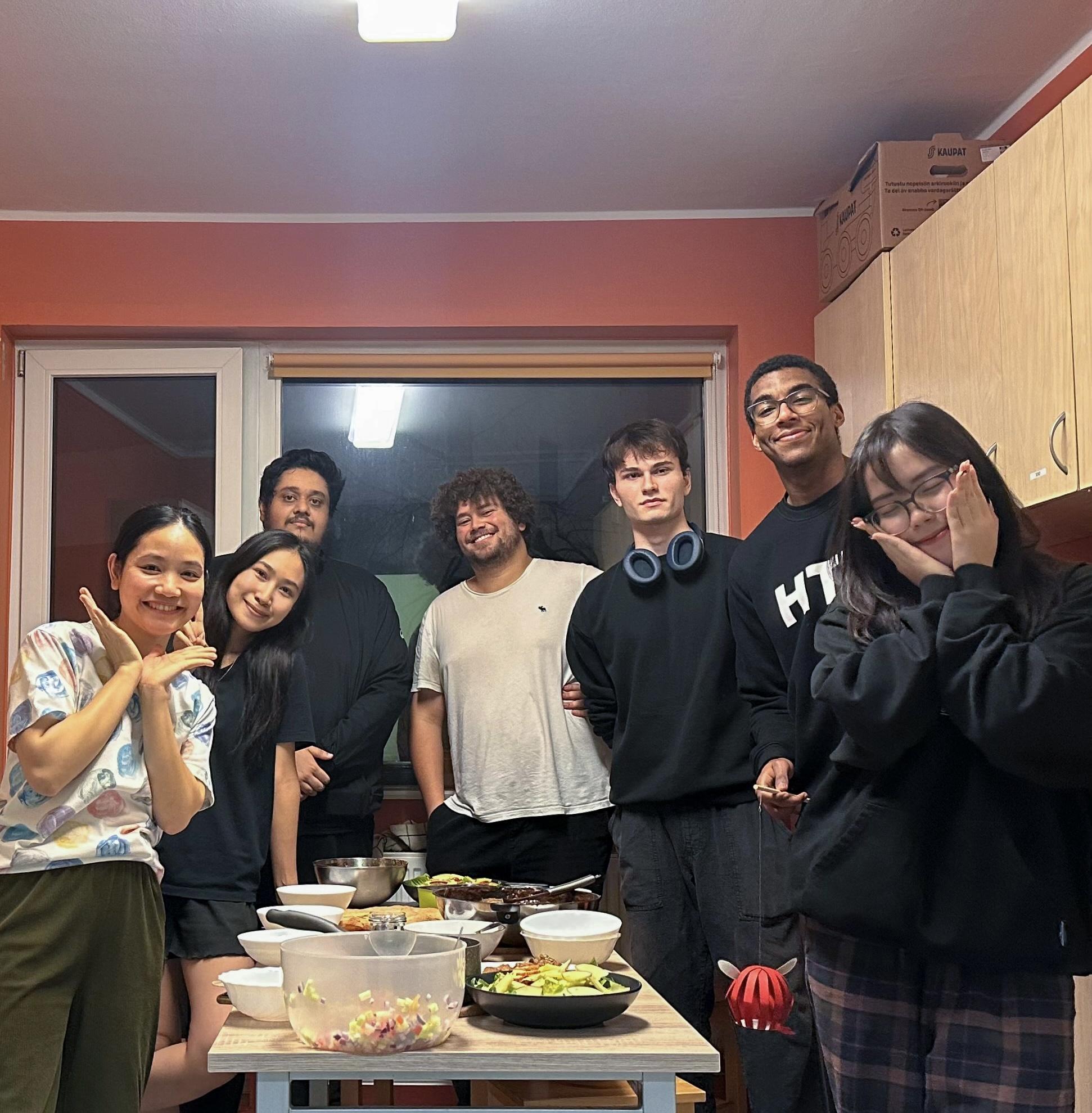
Living with my flatmate changed that. He spoke of Mombasa, his hometown, with its beaches, cuisine, and vibrant social scene. I learned about Kenya’s education system, his favorite music, and his family traditions. We cooked together, shared jokes, and discussed how our countries were portrayed in the media. Through our conversations, I started to see Kenya, and Africa, beyond stereotypes. More importantly, I came to recognize the limitations of my own perspective.
That realization was uncomfortable but necessary. I understood that my so-called global mindset was selective, it embraced diversity within the Western context but overlooked perspectives from the Global South. My “open-mindedness” was not as open as I had believed.
This experience reshaped my understanding of intercultural competence. Respect and acceptance are only the starting points. True intercultural competence, I believe, also grows from humility and curiosity. It requires questioning one’s own assumptions, especially about groups one rarely interacts with.
Since then, I’ve stopped trying to prove that I am “global” or “adaptable”. Instead, I try to approach intercultural encounters with more curiosity and less certainty. I now understand that being intercultural is not an achievement or a label, it’s an ongoing process of learning, unlearning, and connecting. Because in the end, it’s not about how easily you can fit in, but how deeply you are willing to understand the world beyond your comfort zone.